
Understanding Habitat Connectivity to Inform Conservation Decisions
Project Information
Project Timeline: March 2015. This project has been completed.
Principal Investigator: Nicholas Haddad, NC State University
Implements Science Theme: 1: Develop climate projections and determine appropriate projections to use for resource management, 2: Land use and land cover change projections, 4: Ecological research and modeling
Key Points
- Studied 3 species with very different behaviors and life cycles, showing that the “umbrella species” model cannot always be used
- Partnered with an LCC to study the conservation strategy habitat connectivity
- Discovered how model and method changes alter results, indicating need for redundancy/repetition in data collection
Overview
Rapid human development in the Southeast is increasingly dividing natural areas. Habitat fragmentation and loss threaten the health of wildlife populations. It also interrupts migration routes. Fragmentation is the splitting of a large piece of habitat into smaller, separate areas. We project that climate change will make this fragmentation worse, and shift the range of many species. This means animals that can adapt will have to expand into new areas with better temperatures and food supplies. But, fragmented habitats will make this movement very difficult. Keeping habitats connected is a key strategy for long term wildlife conservation.
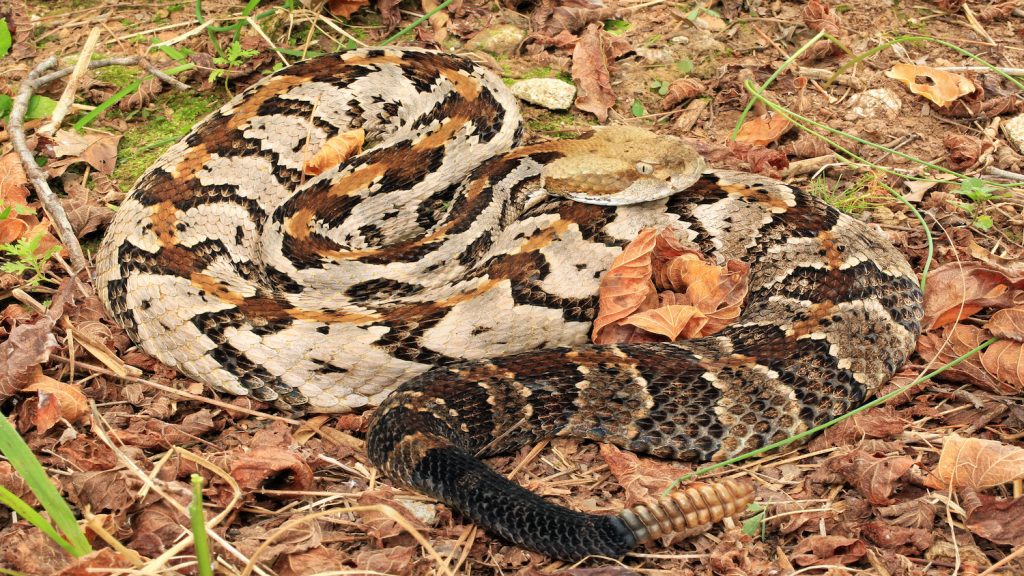
Scientists with the SE CASC partnered with the South Atlantic Landscape Conservation Cooperative in this project. We studied current and projected connectivity for three species: the American black bear, Rafinesque’s big-eared bat, and timber rattlesnake. These animals live in bottomland hardwood forests, which is a habitat of high conservation concern.
Our results suggest that in future conditions, there will be fewer habitat connections for species to move between. We also saw that habitat connectivity depends on the species. What may be connected for a black bear to travel long distances might be disconnected for a rattlesnake. This suggests managers cannot make generalized, “umbrella species” decisions. We also found that the model and method used changed our projections. We suggest using multiple techniques for the most accurate projections. This work can help future research find the best way to strengthen habitats through connections.
More Information
- Conservation Corridor.org: A website dedicated to advancing the latest information on corridor science and tools for managers who are planning for corridors.
- Nick Haddad quoted December 8, 2016 in Environment & Energy Publishing’s Climate Wire, regarding The Wildlife Corridors Conservation Act of 2016.
- This project also featured on The Wildlife Society website.
- This project is summarized in a Science Snapshot on the NCCWSC website.